Mental Health counselling in Winchester
Could you Benefit From Therapy?
Sometimes we recognise that we are struggling. Maybe you feel anxious, low, overwhelmed, or unable to cope in the way we normally would.
But changes in our mental health are not always obvious. Sometimes they appear through small changes in our thoughts, feelings, behaviours, or the way we respond to everyday life.
You may find yourself asking:
- Am I drinking more than I used to?
- Am I using food, substances, work, or distractions to cope with difficult feelings?
- Am I becoming more withdrawn or avoiding situations I would normally manage?
- Am I feeling constantly on edge, overwhelmed, or unable to switch off?
- Have past experiences or trauma been activated by something happening in my life now?
- Am I reacting more strongly than I understand or expecting of myself?
These changes can sometimes be signs that your mind and nervous system are trying to cope with something that feels difficult, stressful, or unresolved.
When Stress Starts to Affect Your Life
Stress is a normal part of being human. It is our body’s natural response to demands and challenges. In short periods, stress can help us focus and respond to situations.
However, when stress becomes ongoing, it can begin to affect our emotional and physical wellbeing.
You may notice:
- Feeling overwhelmed or unable to switch off
- Constant worrying or overthinking
- Feeling tired, tense, or emotionally drained
- Difficulty sleeping
- Feeling less able to cope with everyday situations
Counselling can provide a space to explore what may be contributing to these feelings and help you develop healthier ways of managing stress.


Anxiety and Feeling Unsafe
Anxiety is the body’s natural alarm system. It is designed to protect us by helping us recognise and respond to danger.
However, sometimes this alarm system can become overactive. You may find yourself feeling anxious, alert, or worried even when there is no immediate threat.
Anxiety can include:
- Racing thoughts and constant worry
- Panic attacks
- Feeling unable to relax
- Avoiding situations because they feel frightening
- Physical sensations such as tension, increased heart rate, or restlessness
Counselling can help you understand why your nervous system responds in this way and support you in developing a greater sense of calm, safety, and control.Reviews
Low Mood and Depression
Everyone experiences times when they feel low, but depression is more than simply feeling sad.
Depression can affect how we think, feel, and connect with ourselves and others. Some people describe feeling emotionally exhausted, disconnected, or as though they have lost a sense of enjoyment or purpose.
This may include:
- Feeling persistently low or hopeless
- Losing interest in things you normally enjoy
- Feeling tired or lacking motivation
- Becoming very self-critical
- Feeling disconnected from yourself or others
Counselling provides a safe place to explore these feelings, understand what may be underneath them, and begin to reconnect with yourself.

Trauma and the Impact of Life Experiences
Sometimes the difficulties we experience today are connected to things that have happened in the past.
Trauma is not only about one significant event. It can also develop through repeated experiences where we felt frightened, rejected, unsupported, or unable to cope.
When experiences feel overwhelming, the brain and nervous system can sometimes continue to respond as though the danger is still present.
This can lead to:
- Feeling constantly on edge
- Strong emotional reactions
- Distressing memories or images
- Avoiding certain situations
- Feeling numb or disconnected
Therapeutic approaches such as EMDR can help process distressing experiences and reduce the emotional impact they continue to have.EMDR in Winchester

Understanding More Complex Mental Health Experiences
Mental health exists on a broad spectrum. Some people experience difficulties that are more complex, such as Bipolar, EUPD, Pyscious, and may affect emotions, relationships, identity, and their sense of safety.
Understanding these experiences with compassion and without judgement is an important part of recovery.
Areas frequenty discussed in Counselling
Mental health issues can impact every part of your life, such as employment and relationships. The way we act, feel about things and think can determine how we function in society
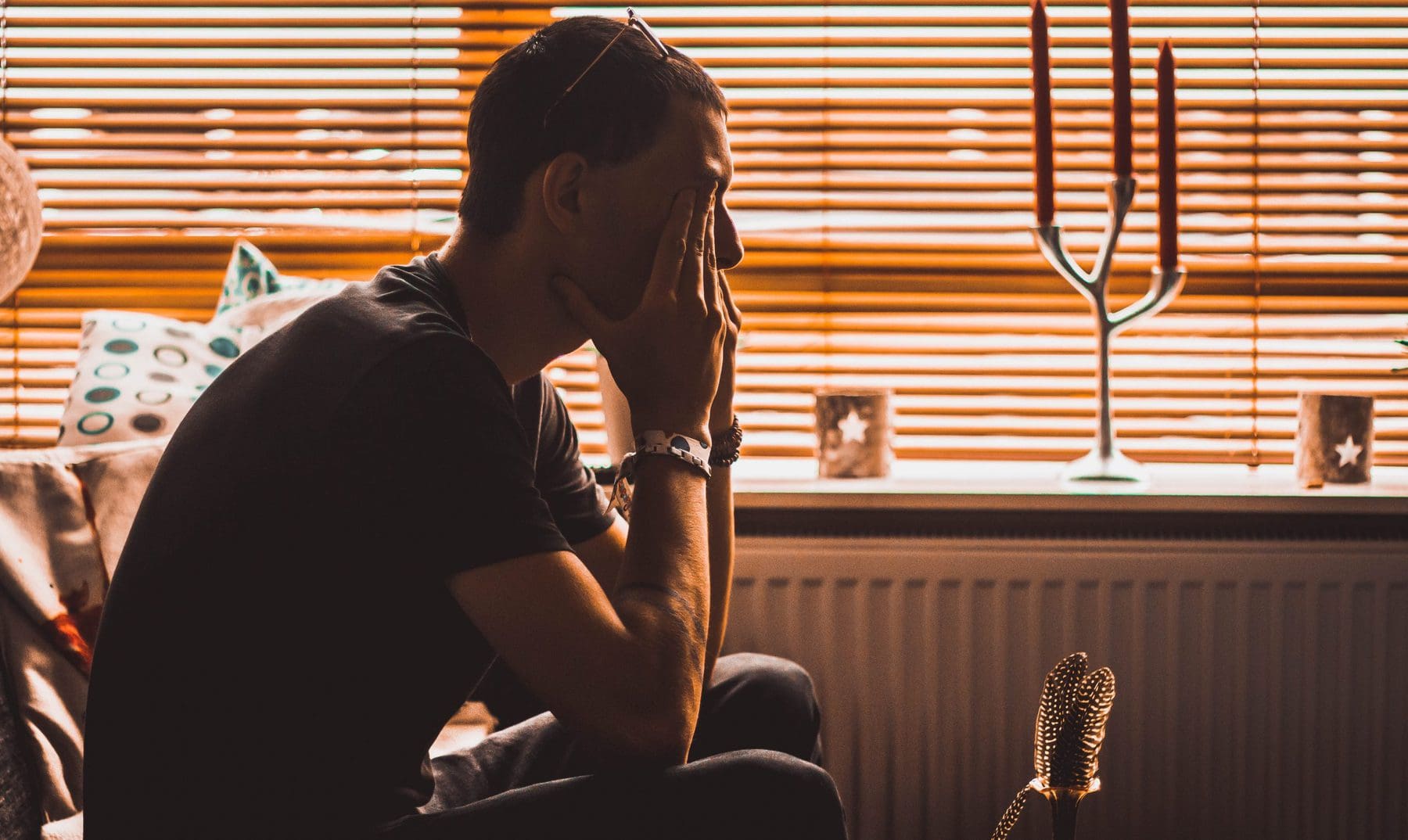
Feeling heard in a safe and confidently space can open doors to a healthiernand more fullfied life
Triggers
Triggers are when our brain is activated by something in our environment such as smell or a real re-experience. Rather than just a picture of a car you may find yourself in a car with the smell of the interior
Associations
Uncomfortable associations are links we have made in our mind. You may of been bullied at school so you may associate teachers with being bullied
Reminders
Distressing reminders evoke memories of a traumatic event, and cause negative, harmful feelings. These are when we know why we’re triggered but we can describe them, but not always explain them.